


- SMT Splice Tape
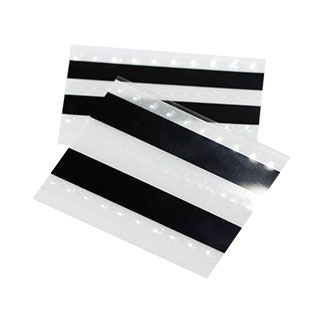
It is suitable for splicing a variety of SMT machine carrier belts
Products variations colors and images without any additional plugins. - Splicing Tape Tool
- SMT Splice Cart
- Cleaning Wipes
SMT Tape Splicing Technology: The Complete Guide to Efficient PCB Assembly

Meta Description: Master SMT tape splicing technology to reduce production downtime, improve pick-and-place efficiency, and lower manufacturing costs. Expert guide covering methods, tools, and best practices for EMS factories.
What Is SMT Tape Splicing Technology?
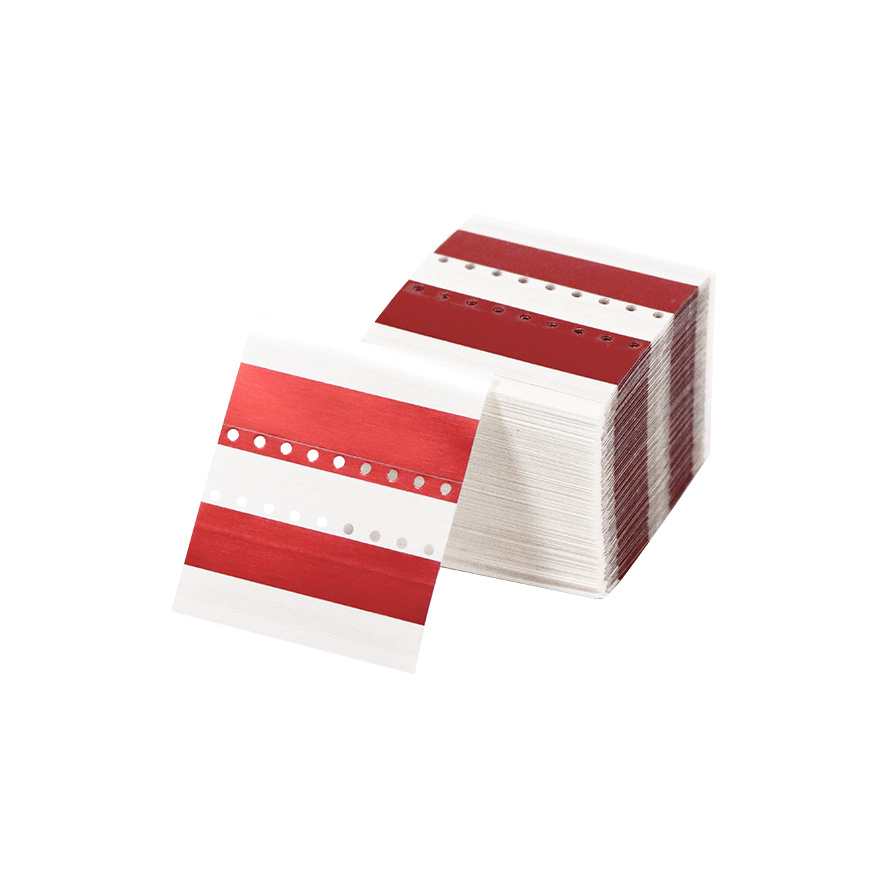
SMT tape splicing technology refers to the process and tools used to join two component carrier tapes end-to-end on an SMT production line. Instead of stopping the pick-and-place machine to replace an empty feeder reel, operators use splicing tape, tools, and accessories to connect a new reel to the one that is about to run out — keeping the line running without interruption.
In high-volume PCB assembly environments, every minute of downtime translates directly into lost revenue. A single SMT line stoppage can cost anywhere from 100to500 per hour depending on the complexity of the operation. This is why effective SMT tape splicing technology is not just a convenience — it is a critical component of lean manufacturing.
Why SMT Tape Splicing Matters for Your Production Line
1. Eliminate Unplanned Downtime
When a component reel runs empty mid-production, the pick-and-place machine stops. Without a splicing solution, the operator must:
- Stop the machine
- Remove the empty reel
- Load a new reel
- Re-thread the tape through the feeder
- Restart and recalibrate
With proper SMT splicing tape and tools, this process takes seconds instead of minutes — and the machine never stops.
2. Reduce Component Waste
Splicing allows you to use nearly 100% of every component reel, including the last few components near the reel core that are often discarded when reels are swapped manually. Over hundreds of changeovers per shift, this adds up to significant material savings.
3. Improve Production Consistency
Manual reel changes introduce variability. Each stop-restart cycle risks placement errors, feeder misalignment, or calibration drift. Continuous splicing keeps the line running at steady-state conditions, contributing to higher first-pass yield.
Types of SMT Splicing Methods
| Method | Description | Best For |
|---|---|---|
| Single Splice | One-piece tape joining two carrier tapes end-to-end. Simple, fast, and the most common method. | Paper tapes, lightweight components |
| Double Splice | Uses two adhesive strips — one on top and one on the bottom — for a more secure joint. | Plastic/embossed tapes, heavier components |
| Triple Splice | Three-layer splicing (top, bottom, and middle alignment strip). Maximum holding strength. | High-speed lines, critical components, metal splicing |
| Metal Detachable Splice | Metal-backed splicing tape with a detachable design for easy separation during reel changes. | Automated splicing systems, high-volume production |
Splicing Tape Width Guide
| Feeder Width | Recommended Splice Tape Width |
|---|---|
| 8 mm | 8 mm splice tape |
| 12 mm | 12 mm splice tape |
| 16 mm | 16 mm splice tape |
| 24 mm | 24 mm splice tape |
| 32 mm & above | Custom width available |
Key Features to Look for in Quality SMT Splice Tape
Not all splicing tape is created equal. When sourcing SMT splice tape for your production line, evaluate these critical specifications:
- Adhesion Strength — Must hold firmly during high-speed feeding without slipping or detaching
- Peel Release — Clean, easy peel from the liner; no tearing or residue
- Temperature Resistance — Withstands reflow and wave soldering temperatures without degradation
- Anti-Static / ESD Safe — Prevents electrostatic discharge that can damage sensitive components (especially important for 0201 and 01005 packages)
- RoHS & REACH Compliance — Mandatory for export to EU and many global markets
- Lead-Free Compatible — Suitable for RoHS-compliant manufacturing environments
- Thickness Consistency — Uniform tape thickness ensures smooth feeding without jamming
- Width Tolerance — Precise cutting to match feeder specifications exactly
How to Splice SMT Tape Correctly: Step-by-Step
A proper splice is the difference between seamless production and a feeder jam. Follow these steps:
- Prepare Both Reels — Align the ending tape of the running reel with the beginning tape of the new reel. Ensure both tapes sit flat and components face the same direction.
- Trim the Ends — Cut both tape ends cleanly and squarely. Jagged edges cause feeding problems. Use an SMT splicing jig or precision cutter for best results.
- Position the Splice Tape — Place the splicing tape across the joint. For single splice, apply to one side (top). For double splice, apply top and bottom. Ensure full contact across the entire tape width.
- Apply Firm Pressure — Press the splicing tape down evenly using a splicing tool or roller. Eliminate air bubbles and ensure complete adhesion.
- Trim Excess — Cut away any splicing tape that extends beyond the carrier tape width. Excess material can snag inside the feeder mechanism.
- Test the Splice — Gently pull both ends to confirm the joint holds. Feed a short section through the feeder manually before resuming automatic operation.
- Resume Production — With the splice complete, the pick-and-place machine continues running without interruption.
Pro Tip: Always keep a splice tool kit at each SMT line station. Having the right pliers, cutters, and jigs within reach eliminates fumbling and speeds up every changeover.
Common SMT Splicing Problems and Solutions
| Problem | Likely Cause | Solution |
|---|---|---|
| Splice breaks during feeding | Insufficient adhesion or misalignment | Use double splice for heavier tapes; check alignment before pressing |
| Feeder jamming at splice | Excess tape overhang or thickness variation | Trim all overhang precisely; verify tape thickness compatibility |
| Components falling out after splice | Tape not secured on component side | For embossed tapes, always use double or triple splice |
| ESD damage after splicing | Non-anti-static splicing tape used | Switch to ESD-safe / anti-static splice tape |
| Splicing tape residue on carrier | Low-quality adhesive | Source from a reputable SMT splice tape manufacturer |
SMT Splicing Automation: The Future of Tape Splicing Technology
As PCB assembly moves toward Industry 4.0 and smart factory models, automated SMT splicing systems are becoming increasingly common in high-volume EMS facilities. These systems:
- Detect when a reel is nearing empty
- Automatically position and apply the splicing tape
- Operate without human intervention
- Integrate with MES and traceability systems
While automatic splicers represent a significant capital investment, pairing them with high-quality splicing tape remains essential — the automation is only as reliable as the consumable it uses. Many factories start with manual splicing and upgrade to automated systems as production volumes scale.
Choosing an SMT Splice Tape Supplier: What to Look For
When evaluating SMT splice tape manufacturers, consider these factors:
- Factory Direct Pricing — Working directly with a manufacturer eliminates distributor markups
- Customization Capability — Can they produce splice tape in your exact width, color, and adhesion specifications?
- Quality Certifications — ISO 9001, UL, RoHS, REACH certifications indicate reliable quality management
- Sample Availability — A supplier willing to provide free or low-cost samples for testing is confident in their product
- Lead Time & Logistics — Consistent supply with predictable delivery timelines
- Technical Support — Can they advise on which splice type is best for your specific components and feeders?
- Global Export Experience — For international buyers, a supplier familiar with export documentation and logistics
Conclusion: Splicing Smarter, Not Harder
SMT tape splicing technology might seem like a small detail in the grand scheme of PCB assembly, but its impact on production efficiency, material utilization, and overall equipment effectiveness (OEE) is substantial. The right splicing approach — combined with quality consumables and proper technique — keeps your line running, your costs down, and your output consistent.
Whether you are running a single pick-and-place machine or managing a multi-line SMT factory, investing in reliable splicing tape and tools is one of the highest-ROI decisions you can make on the production floor.
Looking for a reliable SMT splice tape manufacturer?
KHJ (Shenzhen Kehongjian Technology Co., Ltd.) is a China National “SRDI” Little Giant enterprise specializing in electronic specialty tapes for the global SMT and PCB assembly industry. We offer:
- Full range of splice tapes: single, double, triple, metal detachable, ESD-safe
- All standard widths: 8 mm / 12 mm / 16 mm / 24 mm / 32 mm / 44 mm / 56 mm
- Custom sizes and specifications available
- ISO 9001 certified, RoHS & REACH compliant
- Factory-direct pricing with global shipping
Contact us today for a free sample and product catalog.














 English
  Arabic
  Russian
  French
  German
  Vietnamese