


- SMT Splice Tape
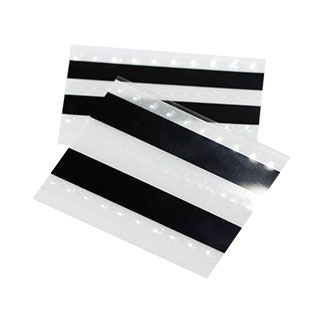
It is suitable for splicing a variety of SMT machine carrier belts
Products variations colors and images without any additional plugins. - Splicing Tape Tool
- SMT Splice Cart
- Cleaning Wipes
SMT Splicing Tape vs Leader Tape: What’s the Difference and When to Use Each

Secondary Keywords: splicing tape vs leader tape, SMT leader tape purpose, SMT splicing tape vs leader tape difference, leader tape extender SMT, SMT splice tape types
URL Slug: /smt-splicing-tape-vs-leader-tape
If you work on an SMT line, you’ve handled both. Splicing tape. Leader tape. They both involve adhesive strips and component reels. They both live in the same drawer on the production floor.
But they don’t do the same thing. Not even close.
Using one when you should be using the other means feeder jams, wasted components, or a line stoppage you didn’t plan for. Here’s the breakdown — what each one actually does, when you need it, and how to tell them apart.
At a Glance: The Core Difference
| SMT Splicing Tape | SMT Leader Tape (Extender) | |
| What it does | Joins the tail of a running reel to the head of a new reel — mid-production, without stopping the machine | Extends the leader section of a reel so the feeder can thread and align properly before any components enter the pick zone |
| When it’s used | During production — when a reel is about to run out and you need continuous feeding | Before production — during reel loading and setup |
| Where it goes | Across the joint between two carrier tapes | At the very beginning (or end) of a single reel |
| Key goal | Keep the machine running; zero downtime on changeover | Prevent component waste during feeder threading and alignment |
| Typical length | Short — covers the splice joint (a few centimeters) | Long — typically 300–500mm (12–20 inches) |
| Copper clip? | Often integrated for inductive splice detection | Rarely needed — no mid-run detection required |
| Adhesive type | Single-sided or double-sided | Usually double-sided (two-ply) for secure feeder grip |
Put simply: splicing tape keeps production going. Leader tape makes sure it starts right.
What Is SMT Splicing Tape?
SMT splicing tape is what you reach for when a feeder is about to run dry. It joins the end of the depleting carrier tape to the start of a fresh reel — so the pick-and-place machine never sees an interruption.
How It Works
- 1. The running reel is nearly empty. You see the warning.
- 2. You prep a new reel of the same component.
- 3. You cut the tail of the old reel, cut the leader of the new reel, align the sprocket holes, and apply the splice tape across the joint.
- 4. The spliced joint passes through the feeder. The machine keeps picking. No stop, no rethread, no recalibration.
Key Features
- • Short joint — only a few centimeters of tape
- • High adhesion — must hold under rapid indexing (up to 100,000+ CPH on modern lines)
- • Controlled thickness — too thick and it snags on feeder gates
- • Often includes a copper clip — for machines that use inductive sensing to detect the splice (Panasonic, Fuji)
- • Available in single-sided and double-sided — double-sided for high-tension lines or heavy reels
Common Types
| Type | Best For |
| Single-sided splicing tape | Standard lines, paper carrier tape, moderate speeds |
| Double-sided splicing tape | High-speed lines, embossed plastic tape, heavy reels |
| Splicing tape with copper clip | Panasonic / Fuji feeders requiring inductive detection |
| ESD-safe splicing tape | Static-sensitive ICs, sensors, modules |
| Aluminum foil splice tape | Feeders with optical splice detection |
What Is SMT Leader Tape?
SMT leader tape — also called a leader tape extender or leader cheater — is a pre-applied extension added to the beginning (and sometimes the end) of a component reel. Its job is to give the feeder enough “blank” tape to thread, grip, and align before any actual components reach the pick-up point.
Why Leader Tape Matters
In the past, reels shipped with generous leader lengths. You’d lose the first 10-20 components during setup, and nobody cared — overages covered it.
That’s no longer the case.
Today, with exact-quantity reels, JIT manufacturing, and component shortages, losing even 5 components to feeder setup is unacceptable. Leader tape extenders bridge the gap: they give the feeder the blank leader it needs without sacrificing a single placement.
How It Works
- 1. Before loading a reel onto the feeder, you attach a leader tape extender to the beginning of the carrier tape.
- 2. The extender adds 300–500mm (roughly 12–20 inches) of blank tape.
- 3. The feeder threads this extended leader through its mechanism, aligns the sprocket holes, and positions the first component pocket at the pick-up point.
- 4. By the time the actual components start feeding through, the feeder is fully engaged and aligned — zero wasted parts.
Key Features
- • Long extension — 300–500mm typical, some go up to 500mm+
- • Two-ply construction — adhesive on both top and bottom for secure hold
- • Matches carrier tape width — available in 8mm through 72mm+
- • No copper clip — not needed, since leader tape isn’t detected mid-production
- • Precision alignment — sprocket holes must match exactly to avoid feeder errors
SMT Splicing Tape vs Leader Tape: Side-by-Side Comparison
| Dimension | Splicing Tape | Leader Tape |
| Purpose | Continuous production — join reels without stopping | Flawless setup — thread feeder without wasting components |
| Timing | During production (changeover) | Before production (reel loading) |
| Length | Short (covers splice joint only) | Long (300–500mm extension) |
| Construction | Single-ply or double-ply adhesive strip | Two-ply with adhesive top and bottom |
| Detection | Copper clip / foil for inductive or optical detection | No detection feature needed |
| Sprocket alignment | Critical — must match exactly at the joint | Critical — must match carrier tape over the full length |
| Stress conditions | High-speed indexing, tension from pick-and-place cycle | Feeder threading and initial alignment only |
| ESD variant | Available | Available |
| Reusable? | No (single-use per splice) | No (single-use per reel setup) |
When to Use Splicing Tape
Use splicing tape when:
- • ✅ A reel is running low and you need to switch to a new reel without stopping the line
- • ✅ You’re joining the tail of one reel to the head of another of the same component
- • ✅ You’re running high-mix production where reel changes are frequent
- • ✅ You want to recover partial reels — splicing leftover strips together instead of scrapping them
- • ✅ Your goal is higher OEE (Overall Equipment Effectiveness) through reduced downtime
Don’t use splicing tape when:
- • ❌ You’re setting up a new reel from scratch (use leader tape instead)
- • ❌ The two reels contain different components (never splice mismatched parts)
- • ❌ The carrier tape is damaged or the sprocket holes are deformed
When to Use Leader Tape
Use leader tape when:
- • ✅ A new reel has a short or missing leader section — common with exact-quantity or short-run reels
- • ✅ You’re loading a reel onto any pick-and-place feeder and want zero setup waste
- • ✅ You’re working with high-value components (ICs, sensors, connectors) where every piece counts
- • ✅ Your customer supplied exact-quantity reels with no overage
- • ✅ You’re running military/aerospace builds with zero-tolerance for component loss
Don’t use leader tape when:
- • ❌ You’re trying to join two reels mid-production (that’s splicing tape’s job)
- • ❌ The reel already has a full-length leader (uncommon but check before applying)
Can You Use One Instead of the Other?
Short answer: No.
Longer answer: They serve different points in the production cycle. Splicing tape is for transitions. Leader tape is for setups. You can’t splice a reel onto a feeder that hasn’t been threaded properly — that’s where leader tape does its job. And you can’t keep a machine running with leader tape when a reel runs out — that’s where splicing tape takes over.
They’re complementary. Think of it this way:
Leader tape gets the reel into the feeder.
Splicing tape keeps the feeder running through the next reel.
On a well-run SMT line, you use both.
How They Work Together: A Real Production Scenario
Here’s what a typical reel changeover looks like when you’re using both:
- 1. Pre-production: You load a reel onto the feeder. The leader is too short — only 50mm of blank tape before the first component. You attach a leader tape extender (400mm) to the beginning. The feeder threads it, aligns, and the first component lands perfectly at the pick-up point. Zero waste.
- 2. Mid-production: The reel is running low. You prep a fresh reel of the same component — leader tape already applied to its head during setup.
- 3. Splice: You align the tail of the running reel with the head of the fresh reel. You apply splicing tape (with copper clip for your Panasonic feeder) across the joint. The splice passes through the feeder. The machine never stops.
Result: No downtime on changeover. No components wasted on setup. That’s the combination that drives OEE up and cost per placement down.
Common Questions About Splicing Tape and Leader Tape
Q: Is leader tape the same as splicing tape?
No. Leader tape extends the beginning of a reel for feeder threading. Splicing tape joins two reels together mid-production. Different function, different timing, different design.
Q: Do I need leader tape if my reels already have a long leader?
If your reels come with a leader section of at least 300mm, you probably don’t need an extender. But if you’re receiving short-leader reels (common with exact-quantity orders, short runs, or broker-supplied parts), leader tape pays for itself in saved components.
Q: Can I use splicing tape as a leader tape extender?
You could in a pinch, but it’s not ideal. Splicing tape is designed for short, high-stress joints — not long extensions. Leader tape is longer, has two-ply construction for secure feeder gripping, and is purpose-built for the threading process. Using splicing tape as leader tape means more joints, more failure points, and more time spent.
Q: Which one affects OEE more?
Both. Leader tape affects OEE indirectly — by preventing setup failures, mis-picks, and wasted components that trigger rework. Splicing tape affects OEE directly — by eliminating downtime during reel changeovers. If you’re only using one, you’re leaving performance on the table.
Q: Can the same tape work for both?
Some manufacturers produce all-purpose products that can serve both functions, but they’re usually a compromise. Dedicated splicing tape and dedicated leader tape will each perform better at their specific job. For high-speed or high-value production, use the right tool for each task.
Q: Does KHJ make both splicing tape and leader tape?
KHJ manufactures a full range of SMT splicing tapes (single-sided, double-sided, with copper clip, ESD-safe) covering 8mm–88mm carrier tape widths. Leader tape extenders are also available — contact KHJ for specifications and sample requests.
Choosing the Right Products for Your Line
Here’s a quick decision guide based on what you’re trying to accomplish:
| Your Goal | What You Need |
| Zero-downtime reel changeovers | Splicing tape (single or double-sided, matched to your feeder type) |
| Inductive detection on Panasonic/Fuji | Splicing tape with integrated copper clip |
| Zero-waste setup on short-leader reels | Leader tape extenders (match carrier tape width) |
| ESD-sensitive production | ESD-safe variants of both splicing tape and leader tape |
| High-speed lines (50,000+ CPH) | Double-sided splicing tape + leader tape extenders |
| Both goals | Stock both — they solve different problems |
Bottom Line
SMT splicing tape and leader tape look similar at a glance, but confusing them costs you: downtime, wasted components, or both.
- • Splicing tape = keep the line running. Use it mid-production when switching reels.
- • Leader tape = start the line right. Use it during setup when a reel’s leader is too short.
A line that uses both runs cleaner, wastes less, and posts better OEE numbers. If you’re currently only using one of them, the other is low-hanging fruit.
KHJ has been manufacturing SMT splicing tape since 1999, supplying single-sided, double-sided, ESD-safe, and copper-clip-integrated splice tapes for Panasonic, Fuji, Siemens, and Yamaha feeders — plus complementary leader tape solutions. Contact us for samples or a product recommendation based on your line setup.
SEO Notes for Publishing
Title Tag: SMT Splicing Tape vs Leader Tape: What’s the Difference & When to Use Each
H1: SMT Splicing Tape vs Leader Tape: What’s the Difference and When to Use Each
Meta Description: Confused about SMT splicing tape vs leader tape? Learn the key differences, when to use each, and how they work together to reduce downtime and component waste on your SMT line.
URL: /smt-splicing-tape-vs-leader-tape
H2s:
- • At a Glance: The Core Difference
- • What Is SMT Splicing Tape?
- • What Is SMT Leader Tape?
- • SMT Splicing Tape vs Leader Tape: Side-by-Side Comparison
- • When to Use Splicing Tape
- • When to Use Leader Tape
- • Can You Use One Instead of the Other?
- • How They Work Together: A Real Production Scenario
- • Common Questions About Splicing Tape and Leader Tape
- • Choosing the Right Products for Your Line
- • Bottom Line
Internal Links To:
- • KHJ SMS16 splicing tape product page
- • KHJ leader tape / extender product page (if exists)
- • “How to Use SMT Splicing Tape” guide (previous SEO article)
- • “The Ultimate Guide to SMT Splicing Tape” (existing)
Image Suggestions:
- 1. Side-by-side visual: splicing tape joint vs leader tape extension on a reel
- 2. Production flow diagram: where each tape fits in the reel loading → production → changeover cycle
- 3. Close-up of a splicing tape joint with copper clip
- 4. Leader tape extender applied to a short-leader reel
- 5. Comparison infographic summarizing the key differences
Alt Text Examples:
- • “SMT splicing tape joint connecting two carrier tapes with sprocket hole alignment”
- • “Leader tape extender applied to SMD component reel for feeder threading”
- • “Comparison diagram: SMT splicing tape vs leader tape — different use cases in production”
Schema Markup: Article schema with FAQ schema for the Q&A section














 English
  Arabic
  Russian
  French
  German
  Vietnamese